Understanding What Compression Stockings Are Used For
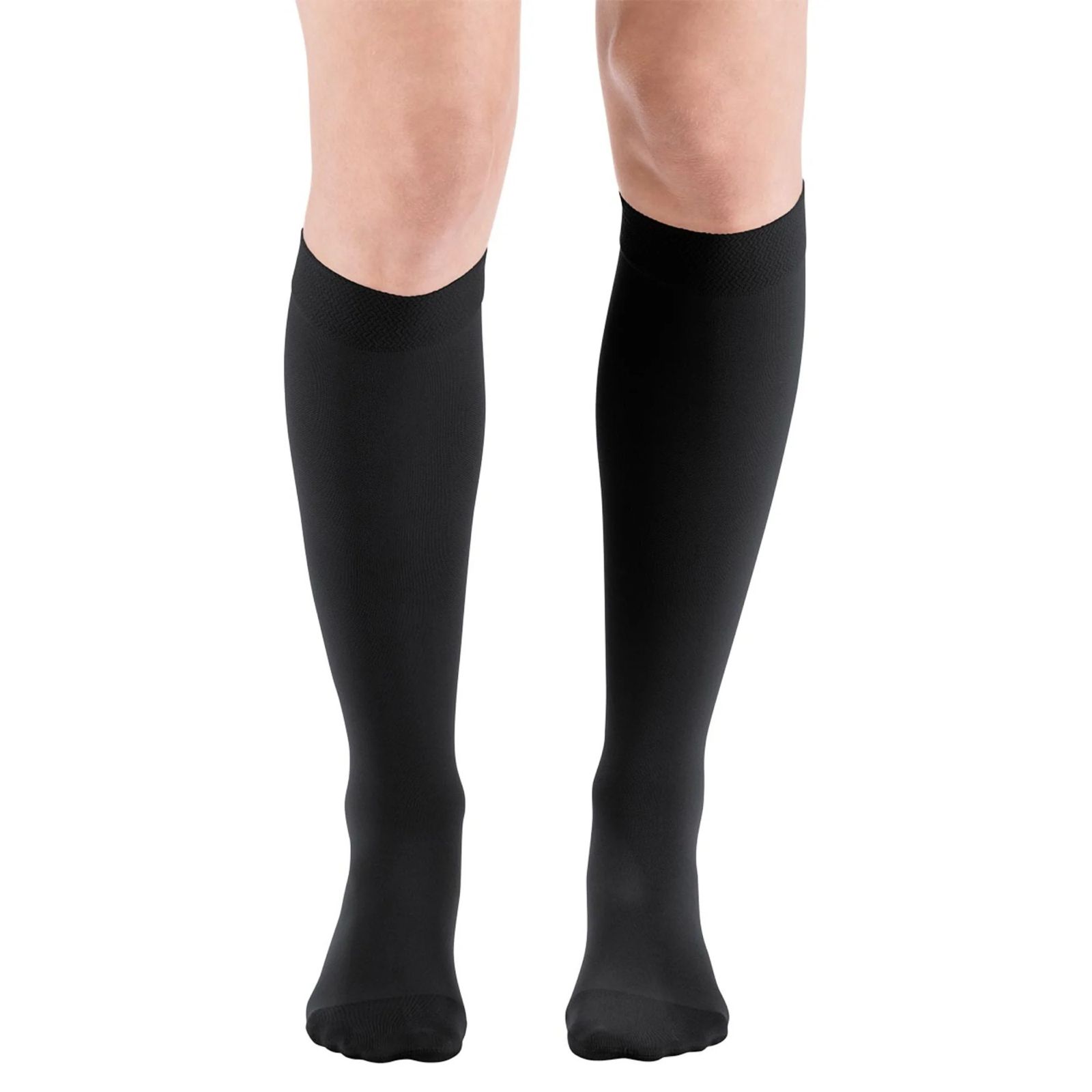
Compression stockings are a clinically recognised method of mechanical circulatory support. By applying controlled external pressure, they assist the venous system in returning blood from the lower limbs back toward the heart. This is particularly important because blood flow in the legs works against gravity - and when vein function is compromised, fluid can accumulate, leading to swelling, discomfort and long-term complications.
They are commonly prescribed or recommended for:
Chronic venous insufficiency
Varicose veins and venous reflux
Post-surgical recovery and injury management
Oedema (fluid retention) in the lower limbs
Deep vein thrombosis (DVT) risk management
General leg fatigue from prolonged standing or sitting
Graduated compression stockings are the gold standard, applying the highest pressure at the ankle and decreasing gradually up the leg. This gradient is what drives effective venous return and reduces pooling.
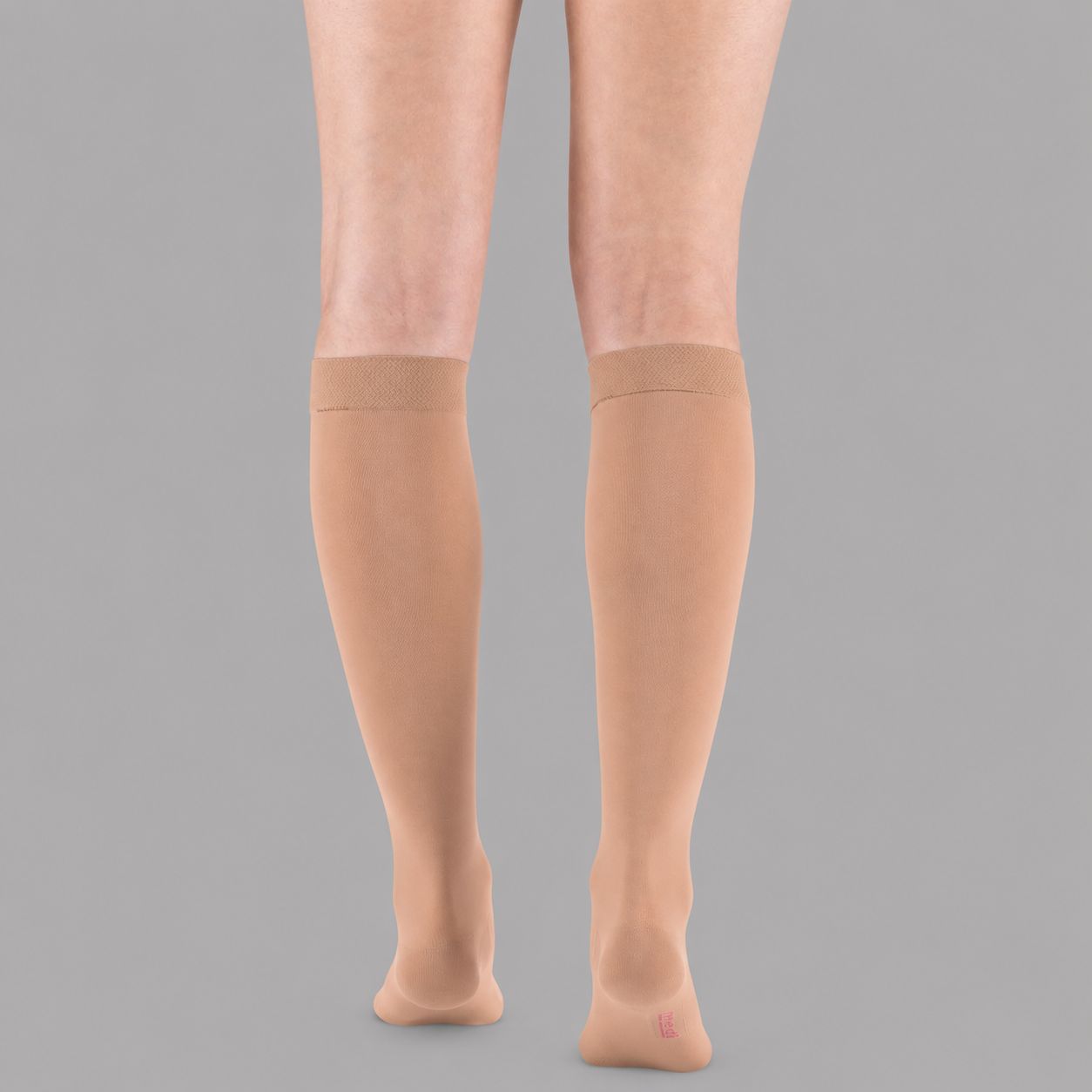
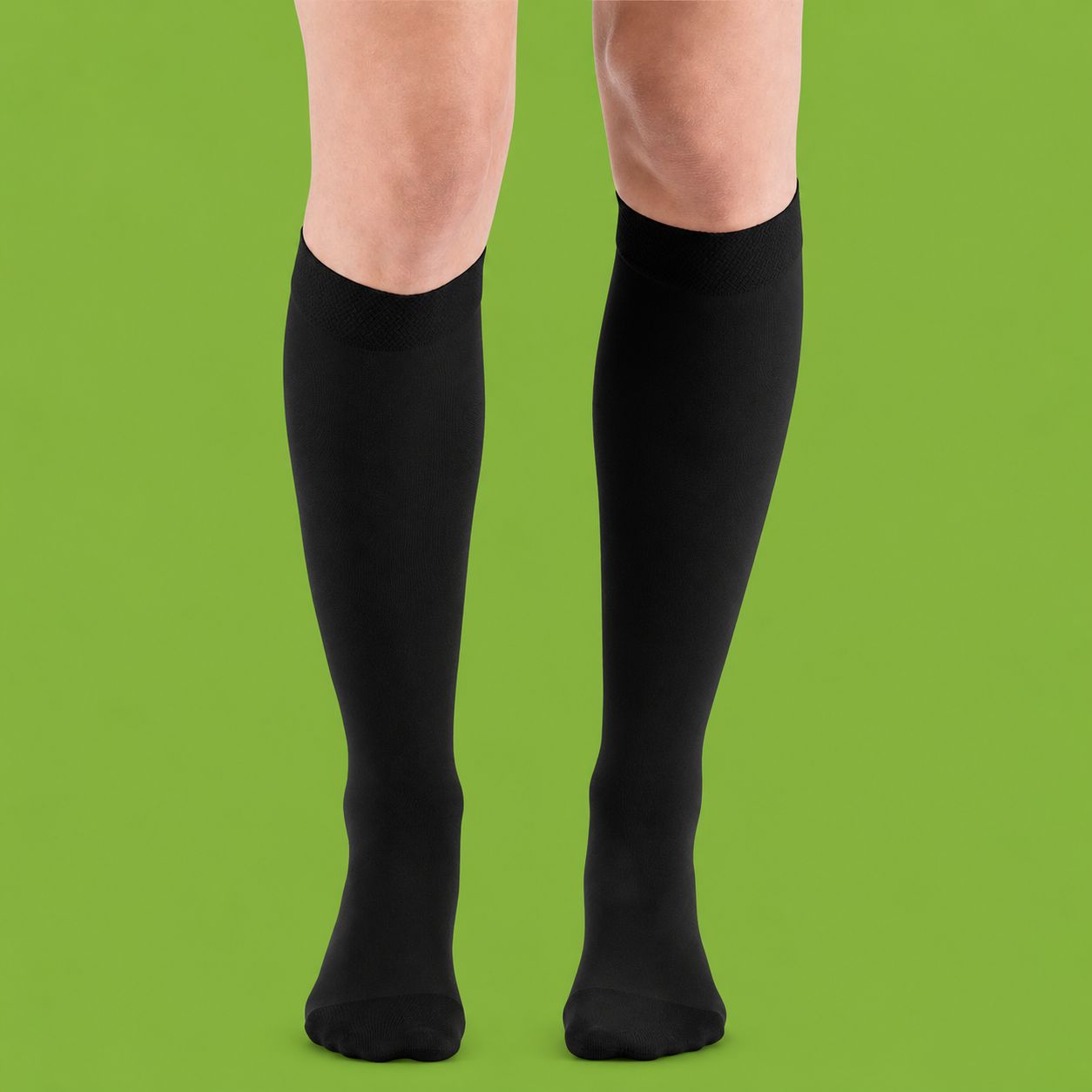
Beneficiaries of Wearing Compression Socks and Stockings
Rather than thinking in broad categories, it is more useful to understand why compression is beneficial for different groups.
Compression therapy is particularly effective for:
Individuals with circulatory inefficiency, where blood flow is sluggish
Travellers exposed to long periods of immobility
Patients managing diabetes-related foot sensitivity, where circulation support is critical
Older adults experiencing reduced vascular efficiency
Products such as compression socks for swelling or for circulation and socks for leg pain relief are not interchangeable - each serves a different clinical purpose depending on the underlying issue.
At Foot Balance Technology, assessment by a Certified Pedorthist ensures that compression is used appropriately, not just generically.
Choosing the Right Compression Level and Fit
Compression socks come in different levels depending on how much support you need:
Light support: Ideal for everyday wear, mild tiredness or long periods of sitting or standing
Moderate support: Moderate support
Firm support : Recommended for more serious conditions such as varicose veins or after medical treatment
It’s important to note that compression and fit are equally critical. Poorly fitted stockings can:
- Create pressure points
- Restrict circulation rather than improve it
- Cause discomfort or skin irritation
If you’re unsure what’s right for you, a proper fitting and assessment by Foot Balance Technology can help ensure you get the right balance of comfort and support.
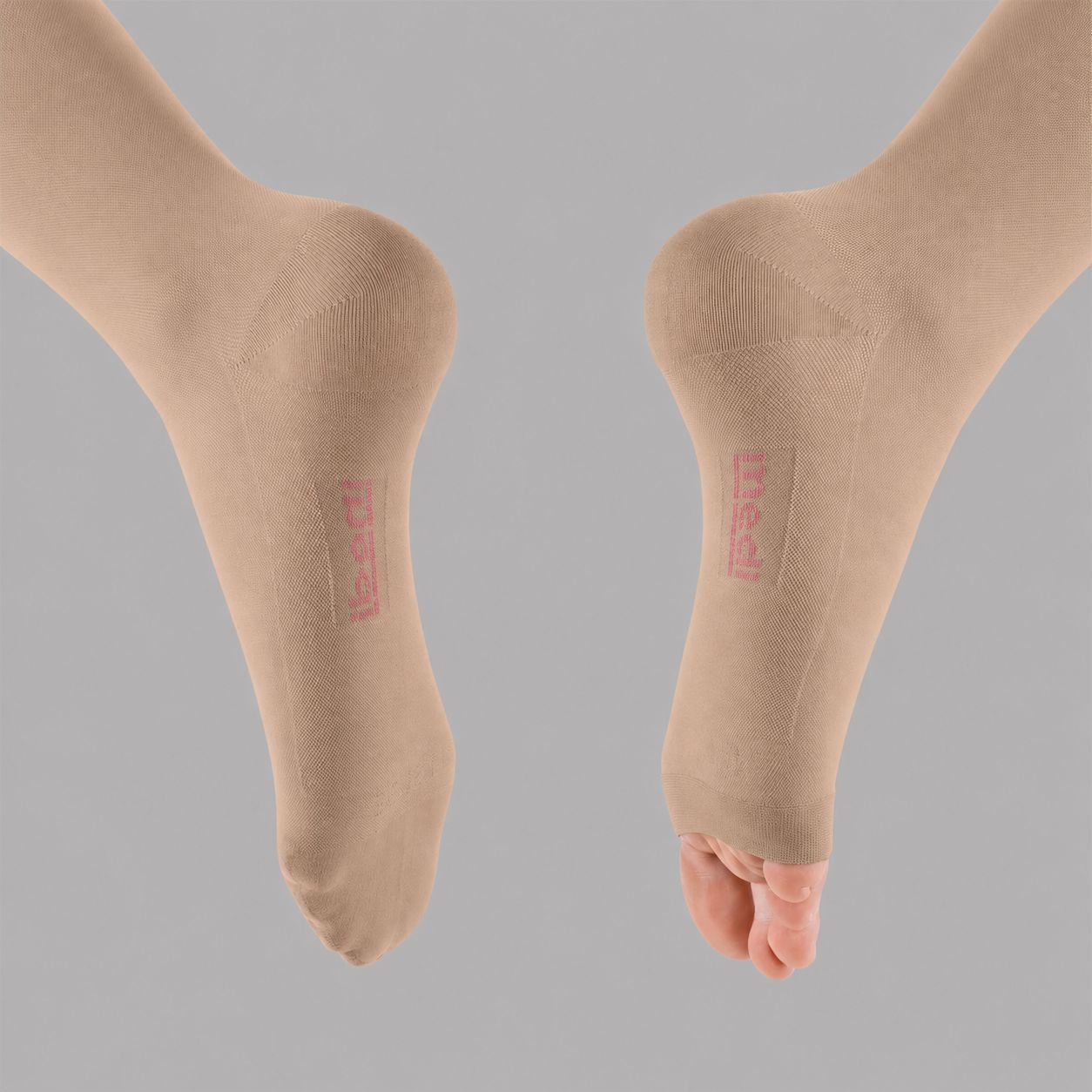
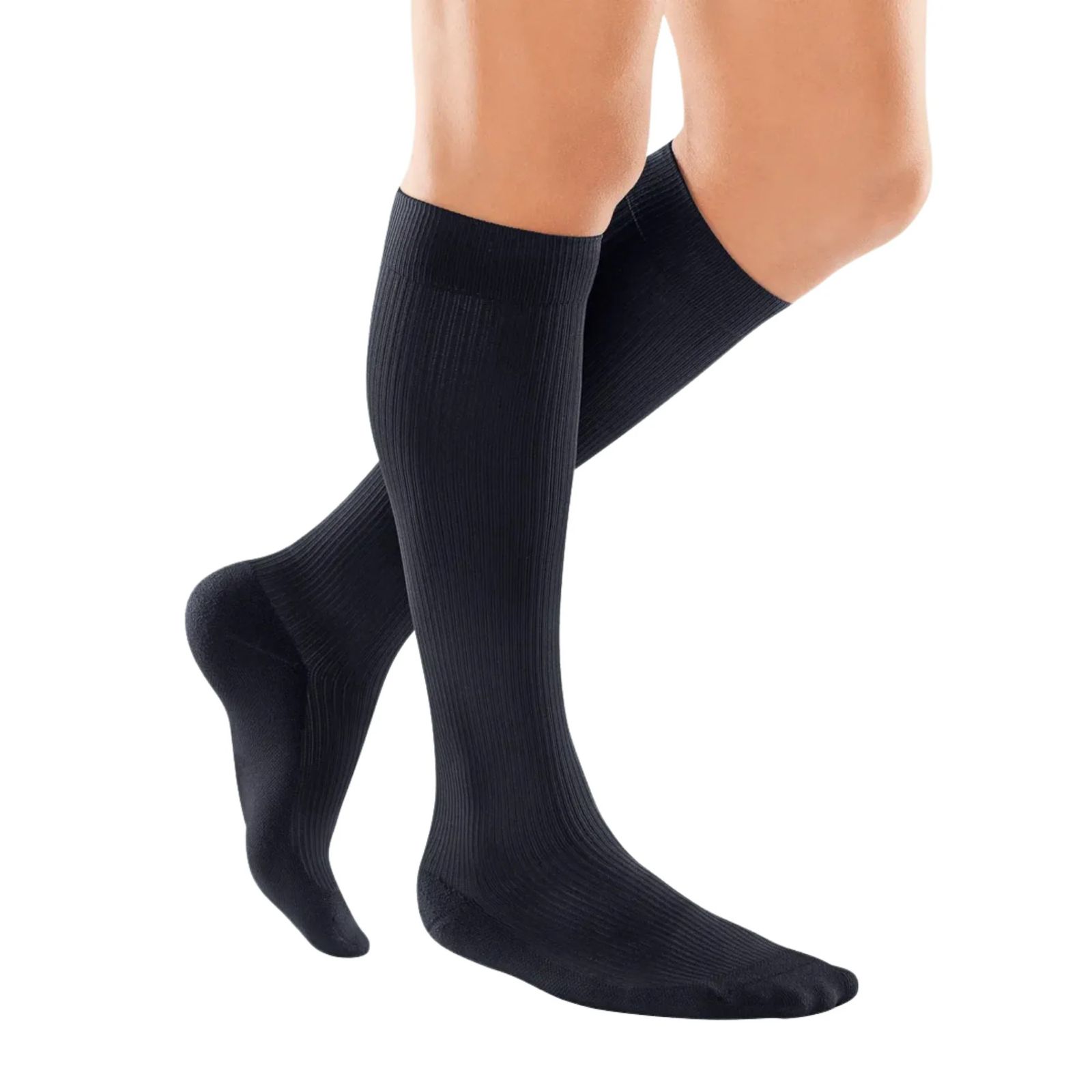
Compression Solutions for Travel, Work and Daily Life
Compression is often most effective when used proactively, not just reactively.
For example:
- During air travel, reduced cabin pressure and immobility increase the risk of swelling and clot formation - so compression socks for travel help maintain circulation
- In occupations requiring long periods of standing, compression reduces fatigue and prevents end-of-day swelling
- For sedentary roles, it counteracts the effects of prolonged sitting and reduced muscle activation
Compression socks designed to address these real-world demands are on the market and are highly recommended.
Specialised Medical Socks for Foot Health and Sensitive Conditions
Not all compression garments are suitable for all patients - particularly those with sensitive or high-risk feet.
For example:
- Individuals with diabetes may require specifically designed socks for diabetic feet that minimise seams, reduce friction and protect skin integrity
- Those with significant swelling may benefit from medical socks for foot swelling, with stretch accommodation
- Patients with venous disease may require compression stockings for varicose veins with specific pressure grading
(Medically reviewed by Dr Sayed Ahmed (PhD, Pedorthics) on 20 April, 2026)
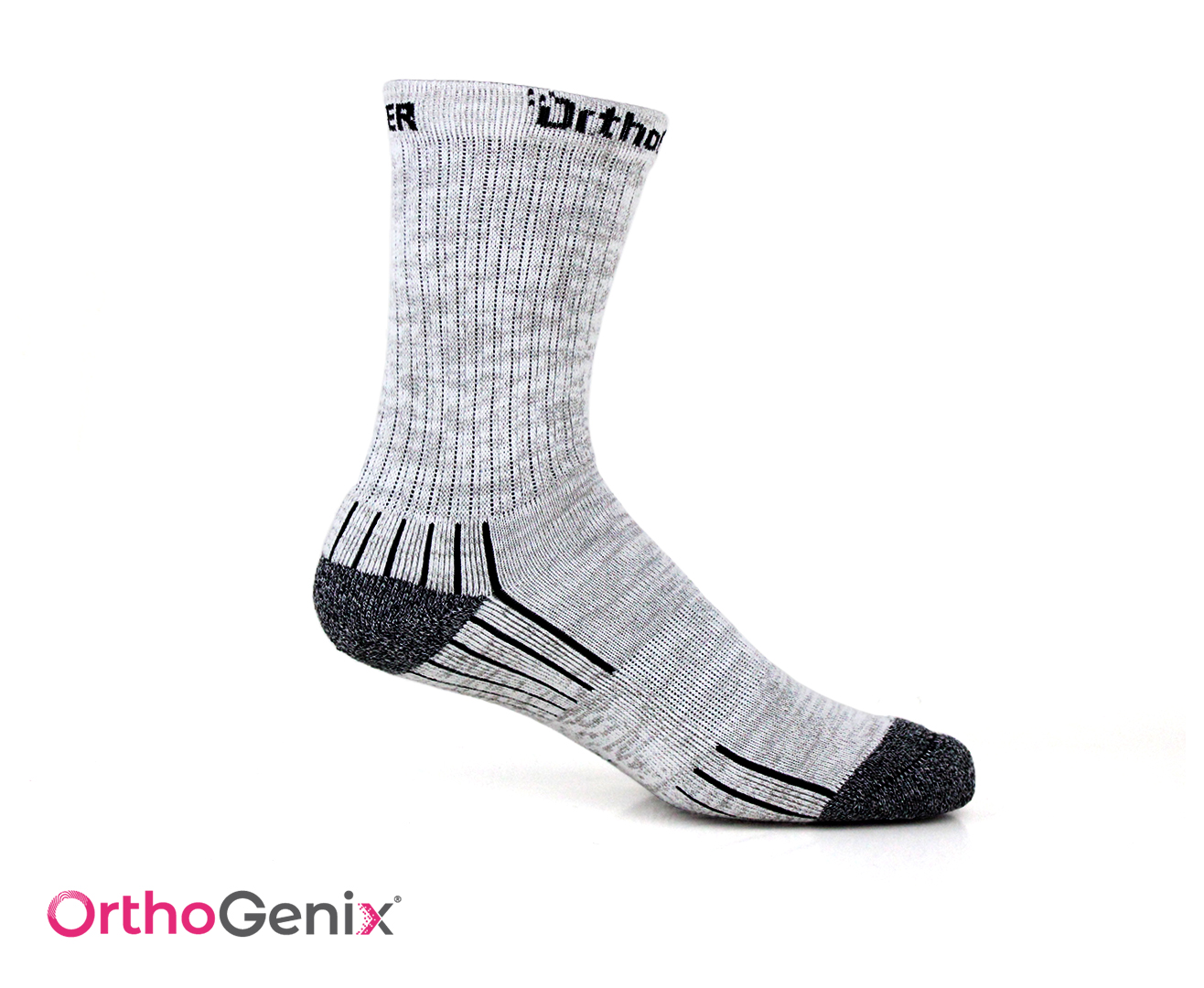
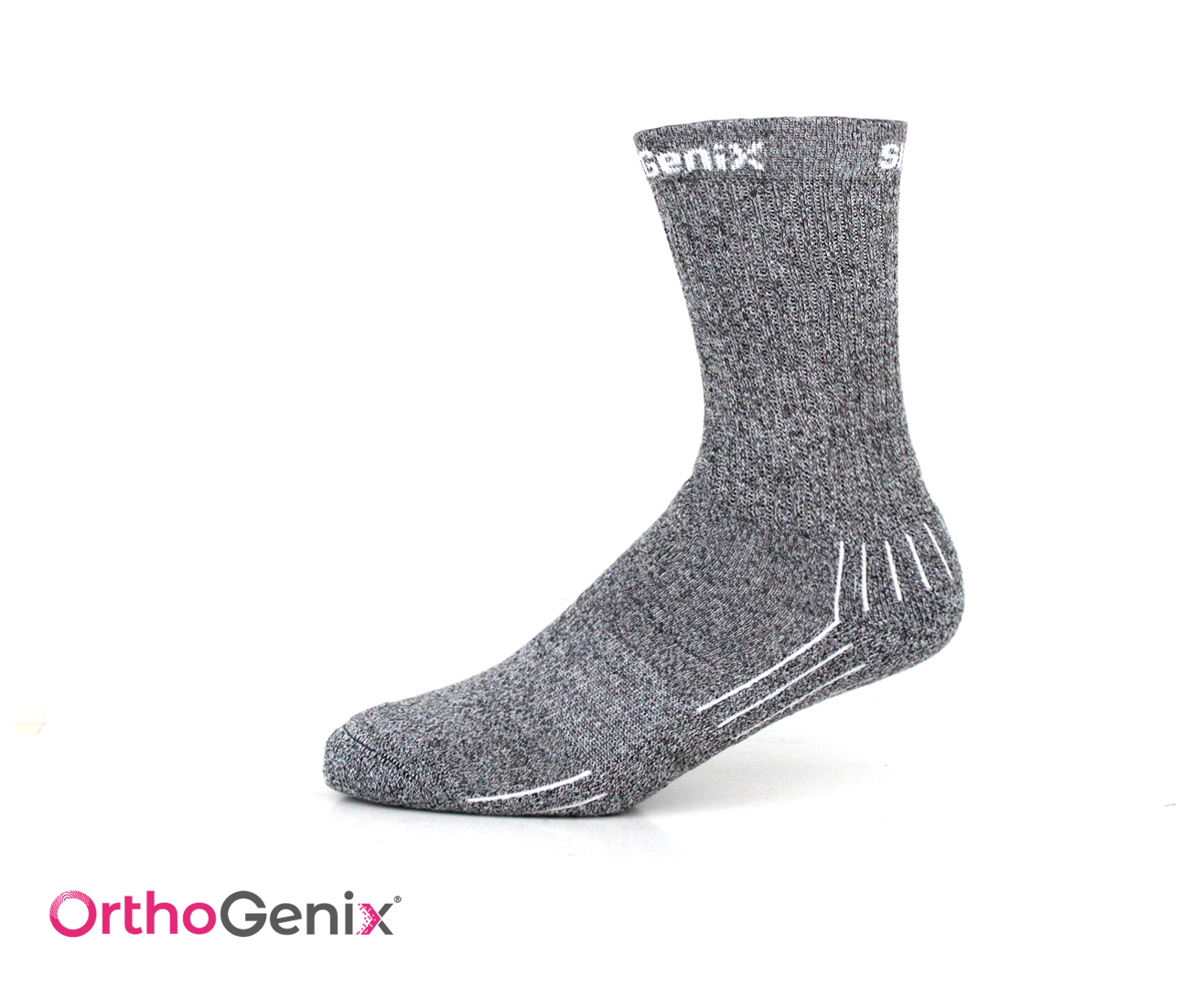
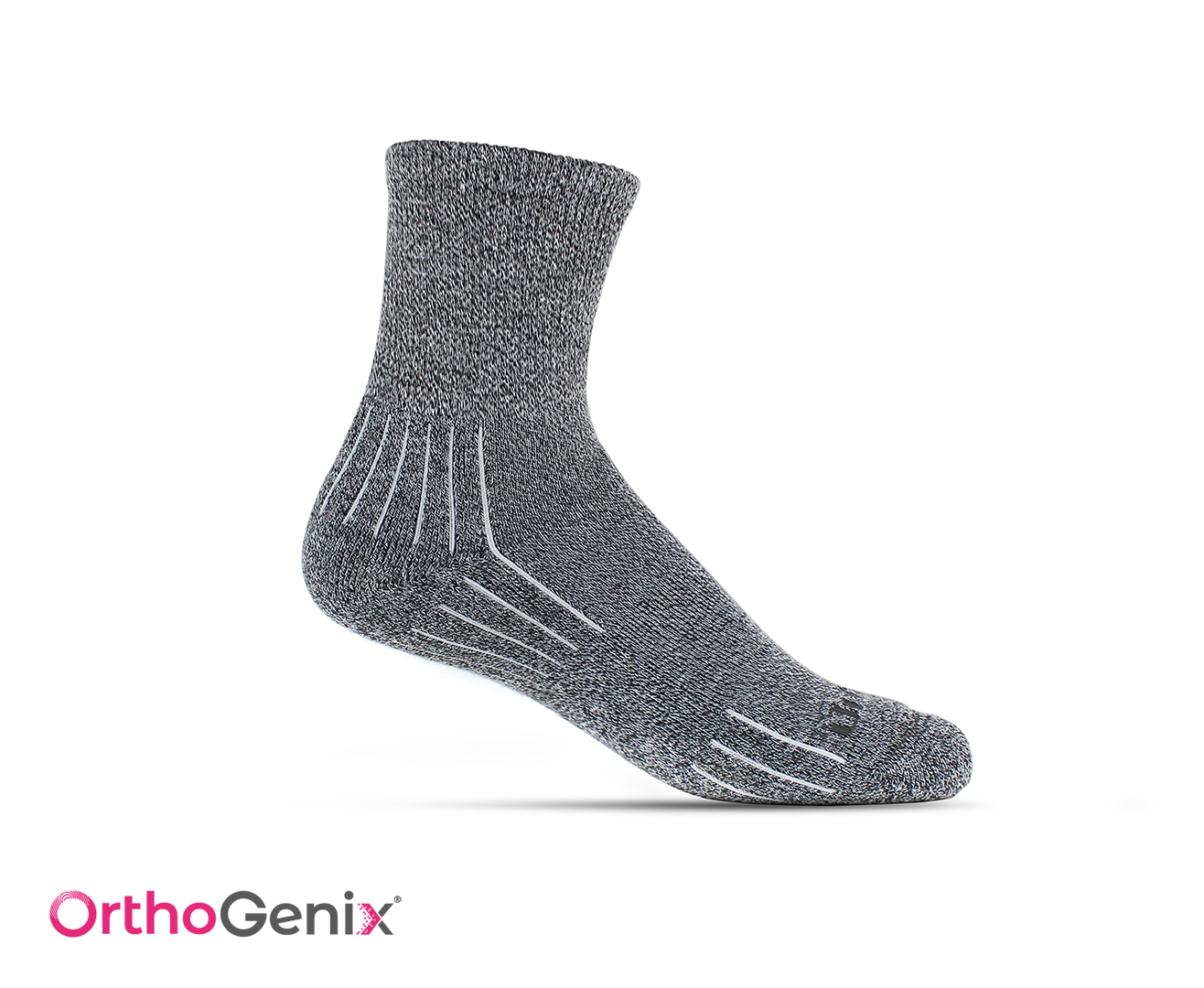
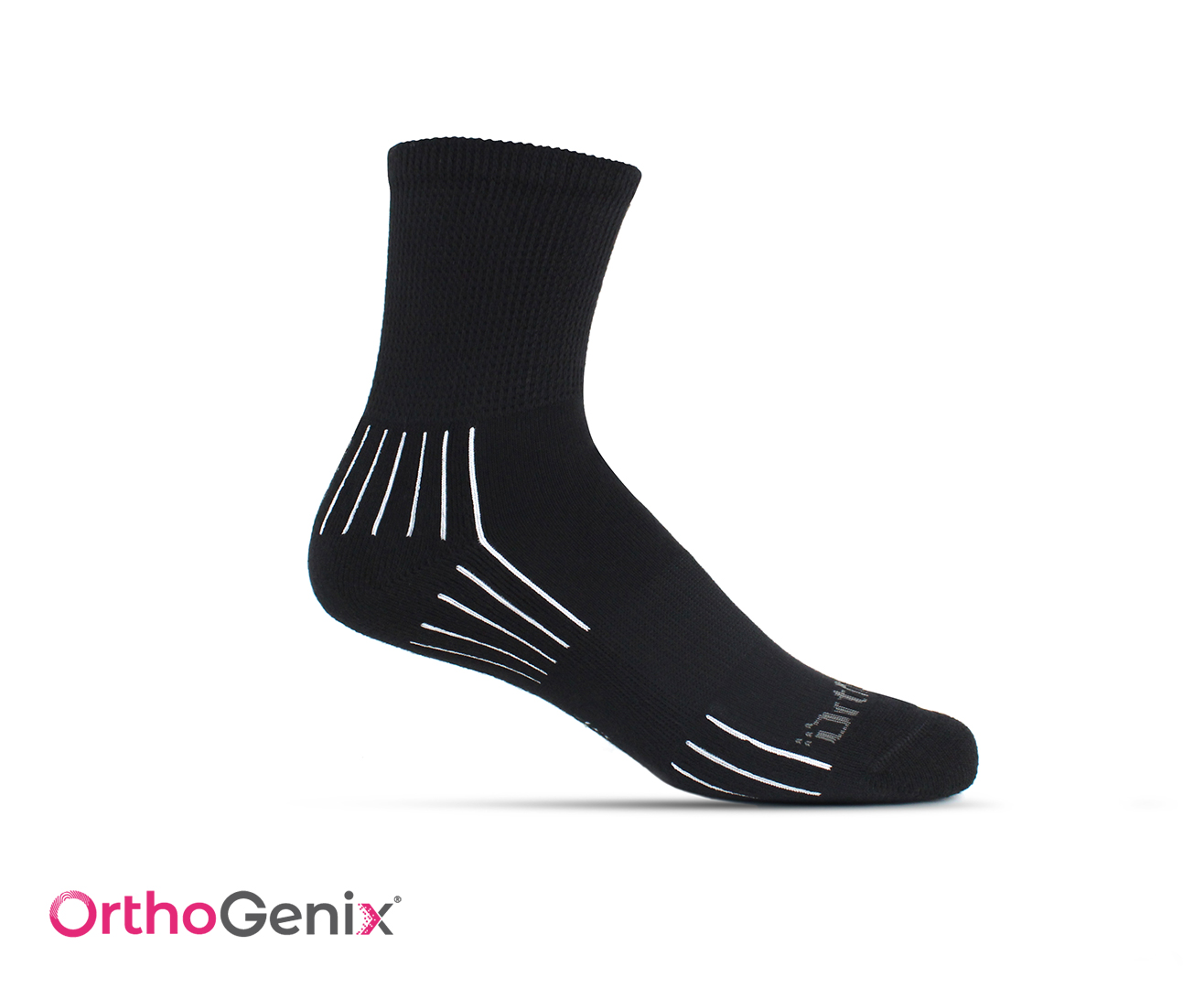
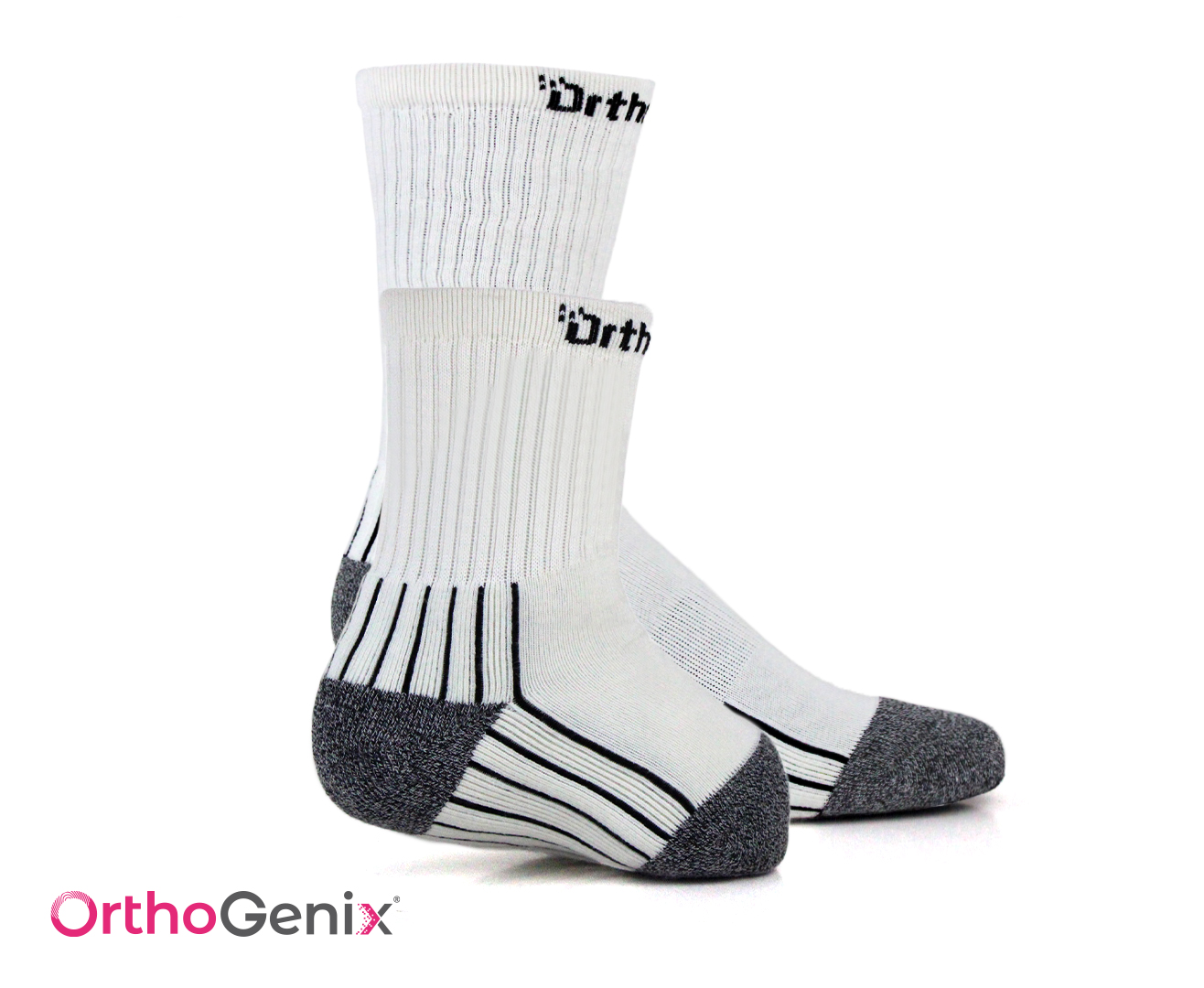
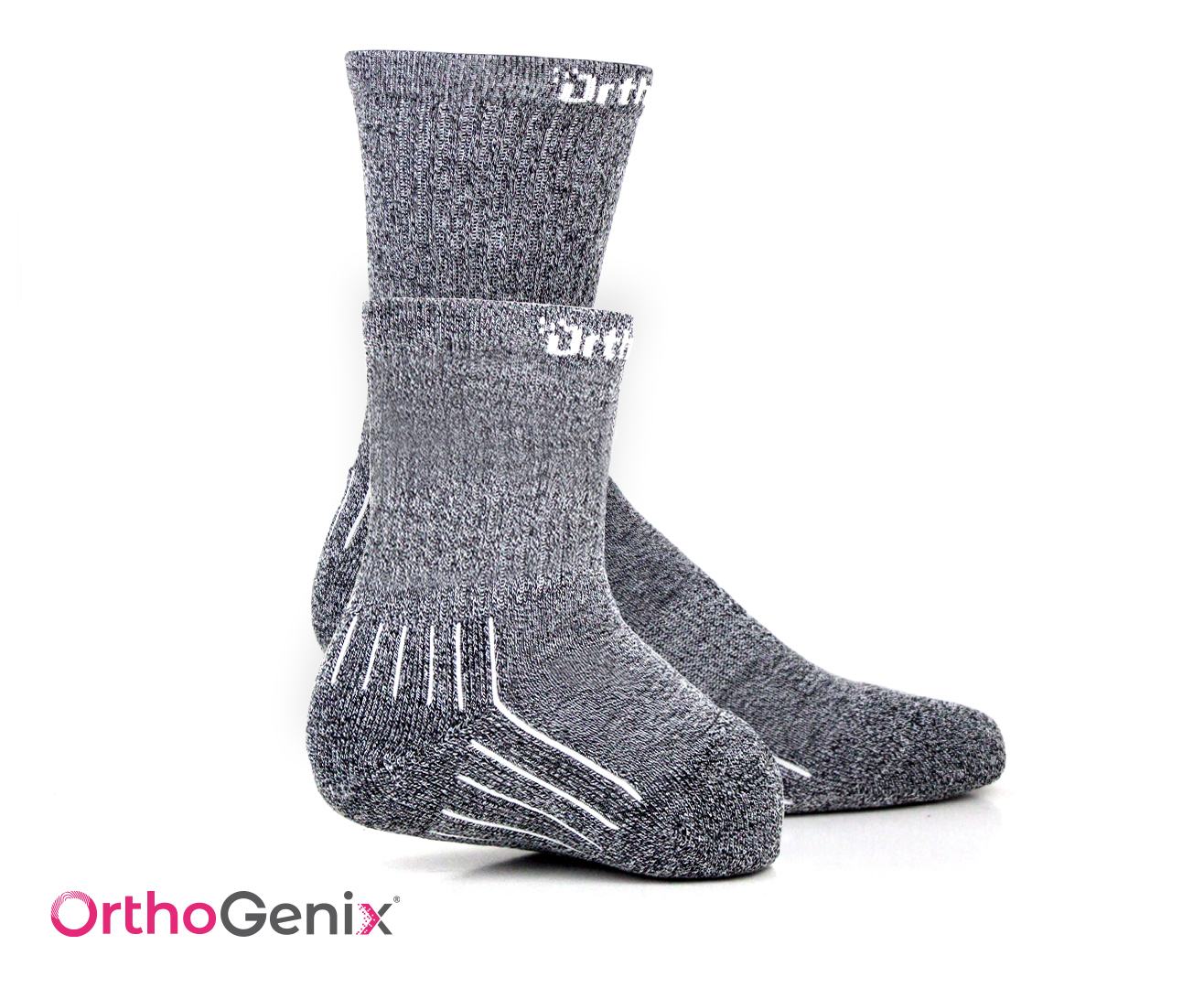
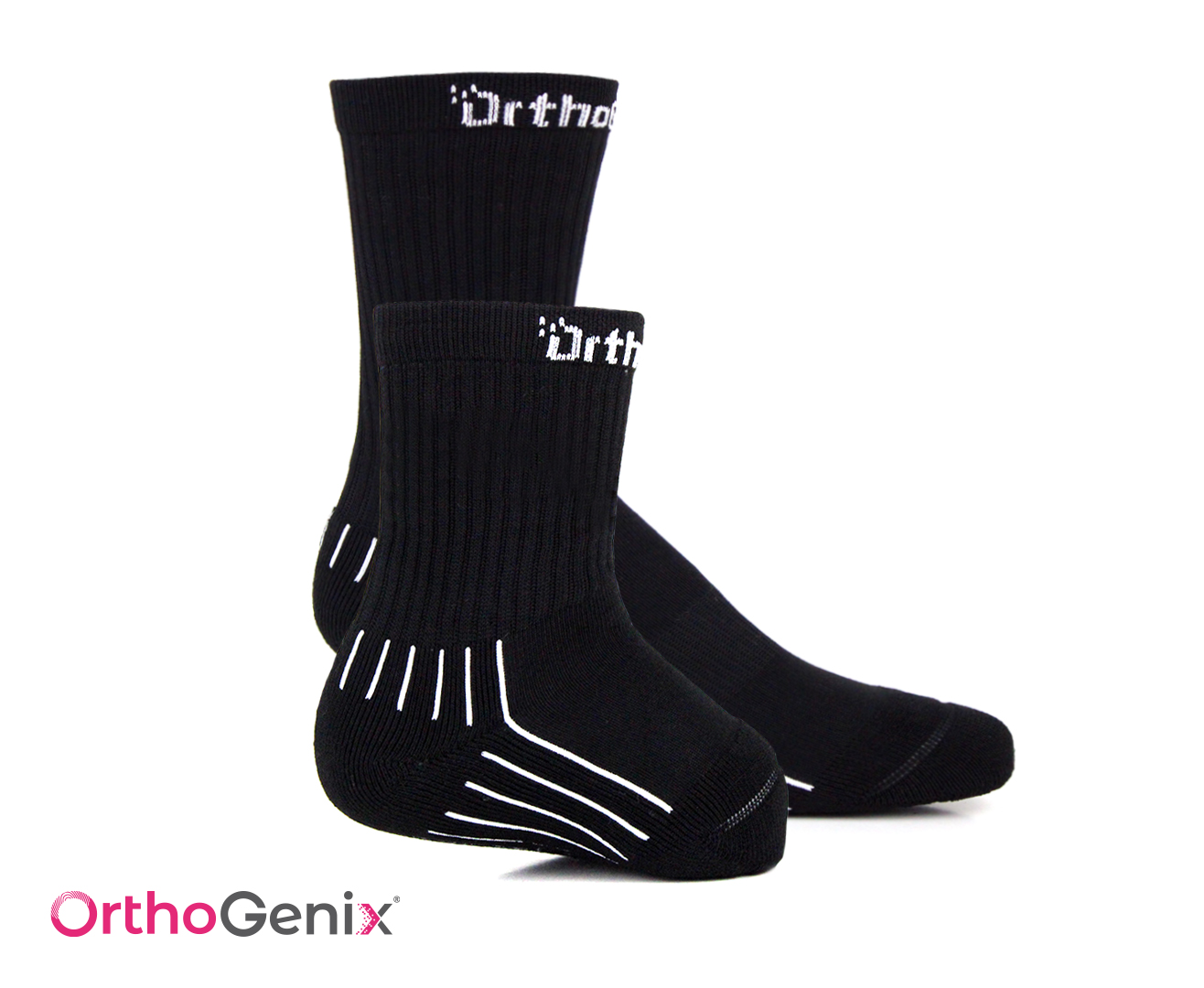
Available Compression Stockings and Medical Socks
Frequently asked questions
Do compression socks help with swelling?
Yes, but specifically by improving venous return. They reduce the accumulation of fluid in the lower limbs by assisting blood flow back toward the heart, which is particularly effective in cases of venous insufficiency or prolonged inactivity.
Are compression socks good for varicose veins?
Yes. They help manage symptoms such as aching, heaviness and swelling by supporting vein function. While they do not remove varicose veins, they can slow progression and improve daily comfort.
Can compression socks prevent blood clots?
They can reduce the risk, particularly in situations like long-distance travel or post-surgery where movement is limited. However, they are usually part of a broader prevention strategy rather than a standalone solution.
Are compression socks good for travel?
Yes, especially for flights longer than four hours. They help maintain circulation, reduce swelling and lower the risk of travel-related DVT, particularly when combined with regular movement and hydration.
What is the best compression level for socks?
There is no single “best” level. The correct compression depends on your condition, circulation and intended use. Mild levels suit general use, while medical conditions often require moderate to firm compression prescribed or recommended by a professional.
Which compression socks should I buy?
This depends on whether your goal is prevention, symptom management or medical treatment. Factors such as compression level, fit, underlying condition and daily activity should guide the decision - not just brand or price.
Are medical compression socks worth wearing?
Yes, when properly selected and fitted, they provide measurable benefits including reduced swelling, improved comfort and better long-term vascular health. Poorly chosen products, however, may offer little benefit.
How tight should compression stockings be?
They should feel firm and supportive, particularly around the ankle, without causing pain, numbness or skin irritation. If they are difficult to tolerate or leave deep marks, the fit or compression level may need adjustment.
Find Us Easily
Westmead Clinic
To visit our Westmead clinic for an in-person appointment, we are located at Unit 19, 1A Ashley Lane, just 250 metres from Westmead Station, making it easy to access by train or local transport.

Room 19, 1A Ashley Lane Westmead NSW2145

info@footbalancetech.com.au

1300 246 328
Castle Hill Clinic
To visit our Castle Hill clinic for an in-person appointment, we are located at Unit 8, 15 Carrington Rd, just 650 metres from the Hills Showground Metro station, with on-site parking available.
Unit 8, 15 Carrington Rd Castle Hill NSW2154
info@footbalancetech.com
1300 246 328
Campbelltown Clinic
20 King St, Campbelltown NSW 2560 (Open on Thursday only)
info@footbalancetech.com.au
1300 246 328

Our Research Partners


Accepted Health Funds & Government Funding








Scheduling An Appointment
For older patients, compression stockings for the elderly must balance effectiveness with ease of use, as compliance is often influenced by how easy they are to put on and wear.
Book your fitting today for personalised comfort, expert guidance and easier daily wear.
Book Your Consultation