Clinically designed support for comfort, stability and foot health
Medical grade footwear is specially designed to support individuals experiencing foot pain, structural issues or medical conditions that affect mobility. Unlike regular shoes, they are developed using clinical principles to improve alignment, reduce pressure and enhance overall walking comfort.
At Foot Balance Technology, we provide medical grade footwear that patients can rely on for both function and long-term foot health.
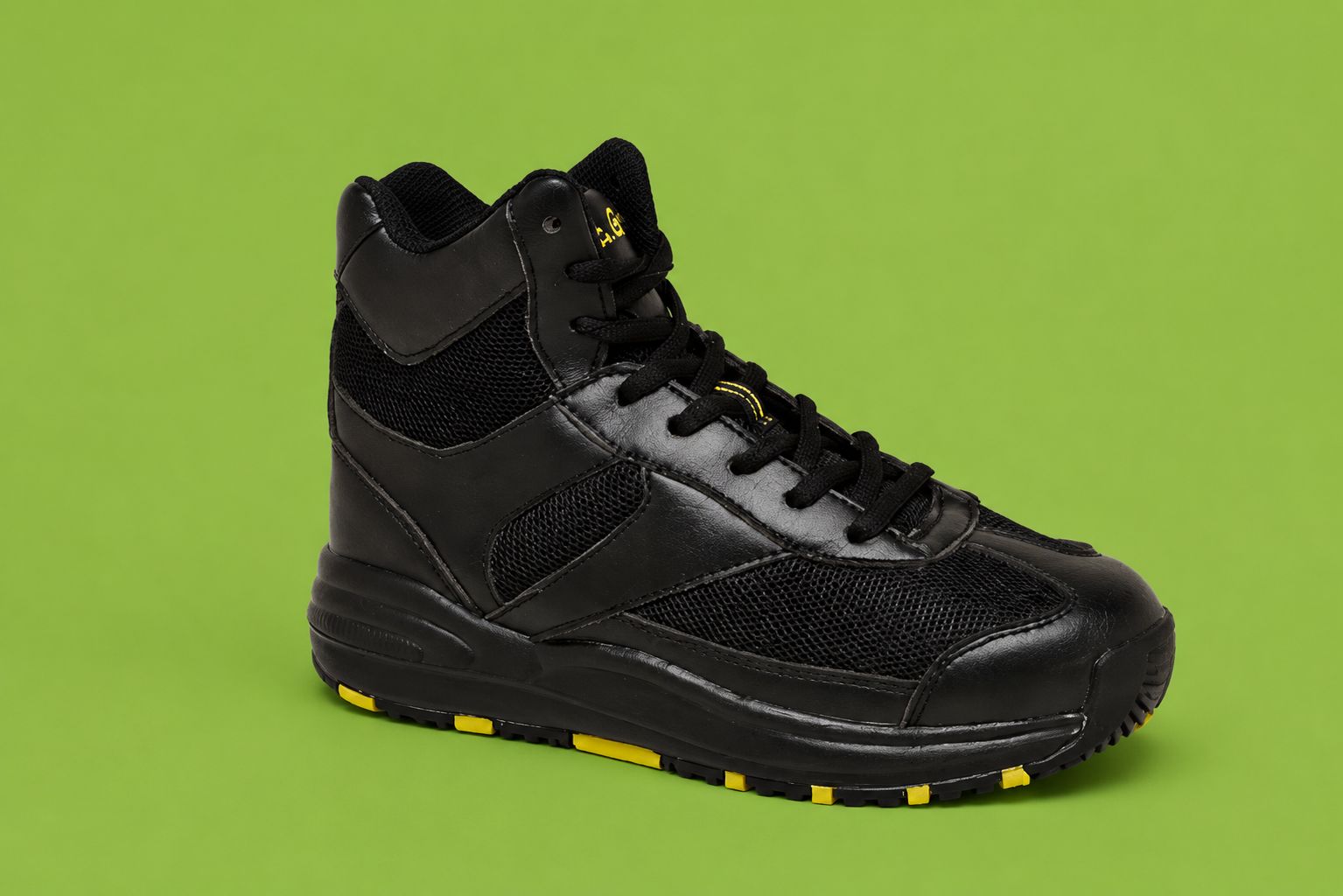
Medical-grade footwear and its many beneficiaries
Medical grade footwear is suitable for individuals experiencing ongoing foot issues, reduced mobility or difficulty finding supportive shoes. It is commonly recommended for:
Persistent foot or heel pain
Diabetes-related foot concerns
Arthritis or joint stiffness
Flat feet or high arches
Mobility or gait abnormalities
It is also widely used by older adults, where stability, comfort and fall prevention are essential for maintaining independence and safety.
Understanding medical-grade footwear
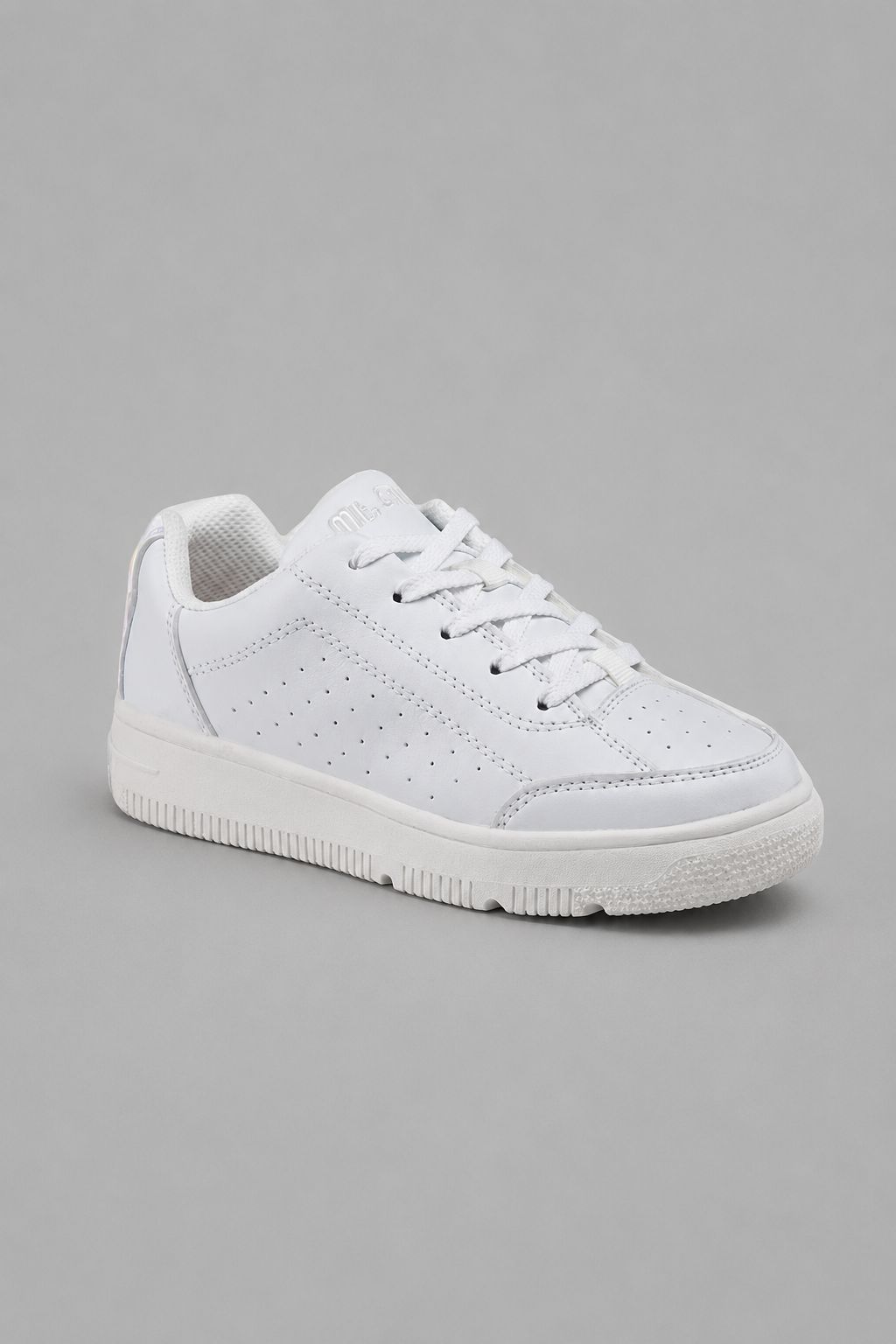
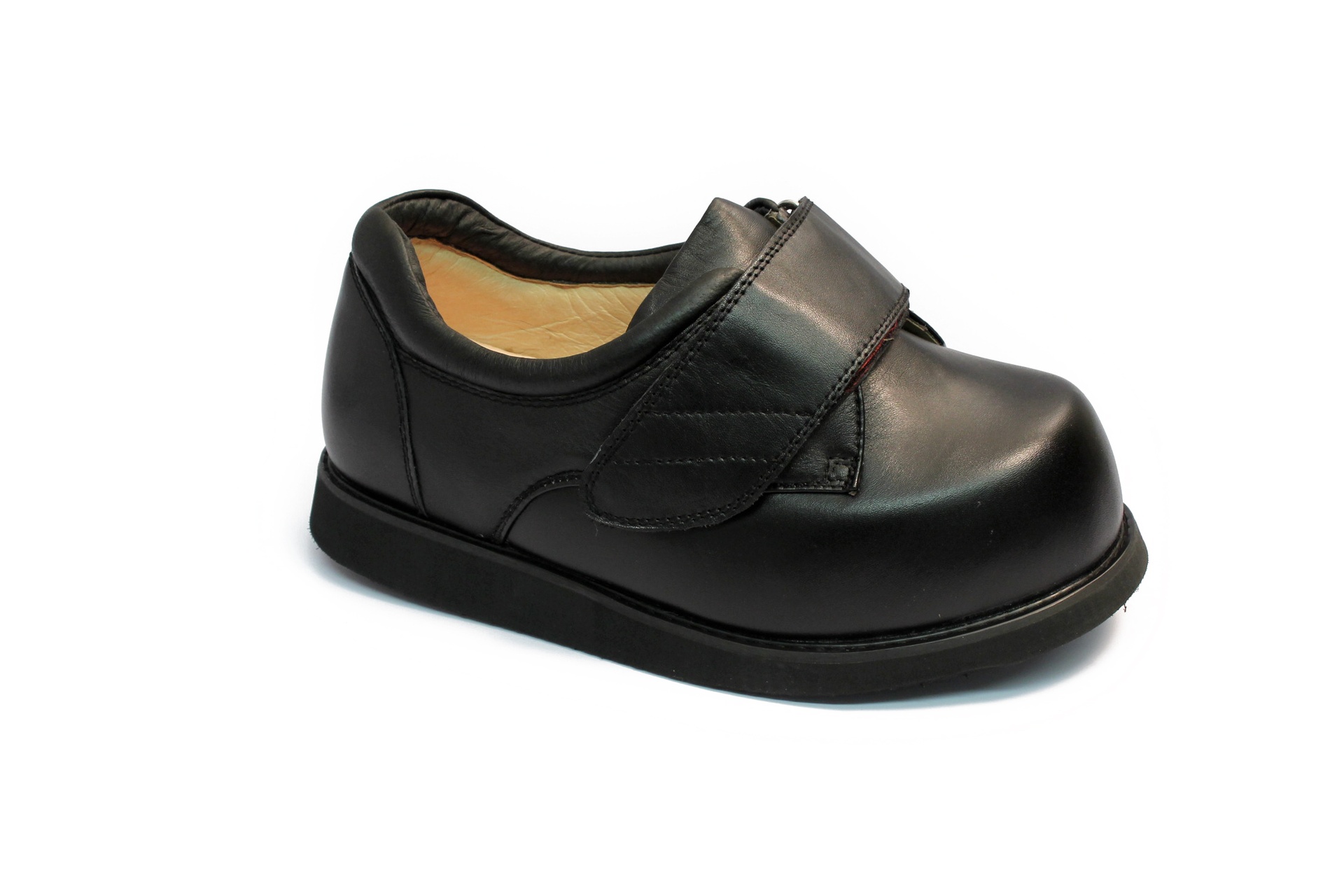
Medical grade footwear refers to shoes designed with therapeutic and clinical features to support specific foot conditions. Often described as therapeutic or pedorthic footwear, these shoes are developed to work in harmony with foot biomechanics rather than focusing on appearance alone.
They are typically recommended when standard footwear is no longer sufficient to effectively manage pain, discomfort or structural concerns.
Suitable candidates for orthopaedic shoes
Orthopaedic shoes are particularly beneficial for individuals experiencing ongoing discomfort, structural issues or difficulty finding properly fitting footwear. They are commonly recommended for:
Chronic foot pain or discomfort
Structural conditions such as flat feet or high arches
Medical conditions including arthritis or diabetes
Bunions, hammertoes or other deformities
Difficulty finding comfortable, supportive shoes
They are also widely used for elderly patients, where improved stability and fall prevention are essential for maintaining independence and safety.
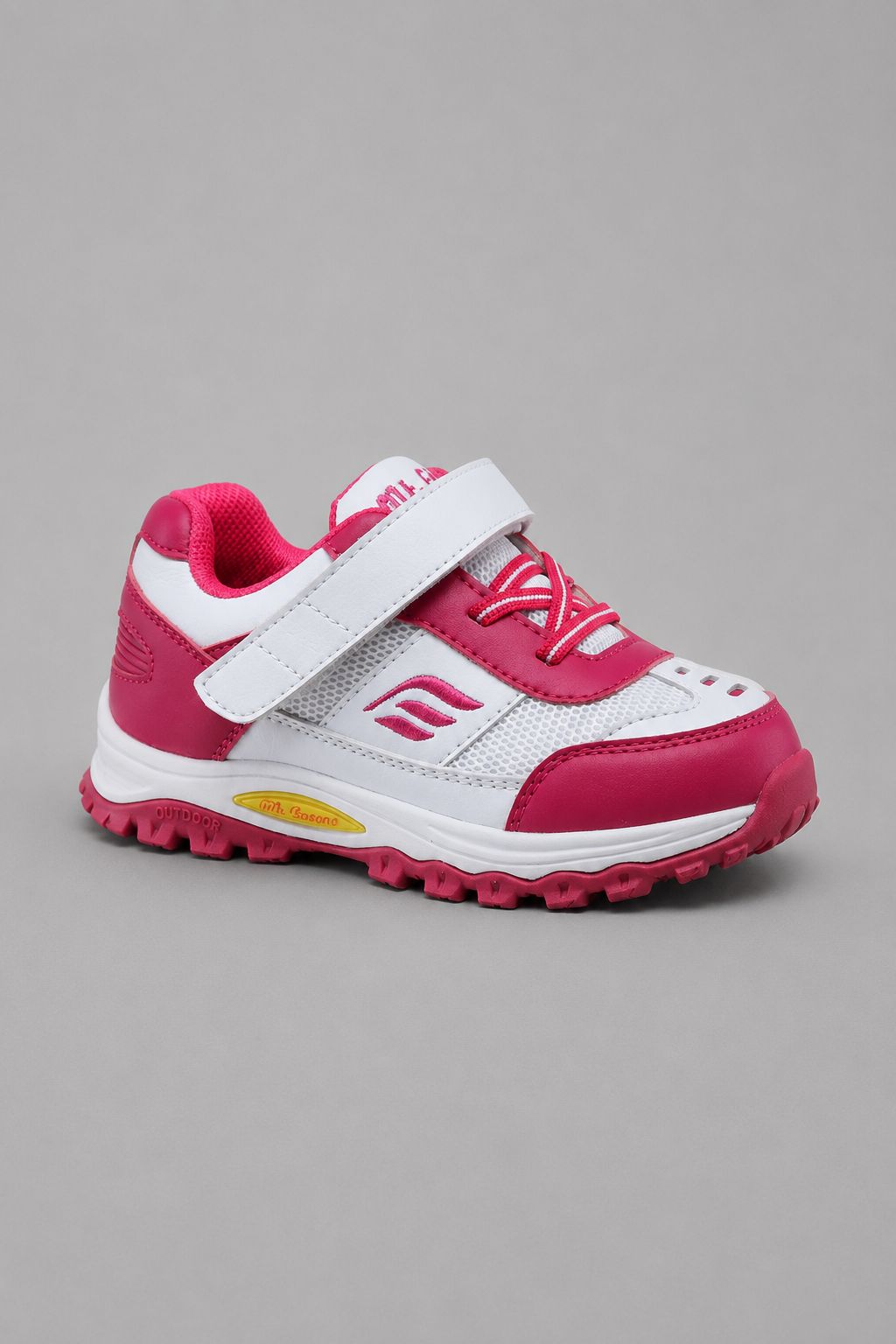
Conditions supported by medical-grade footwear
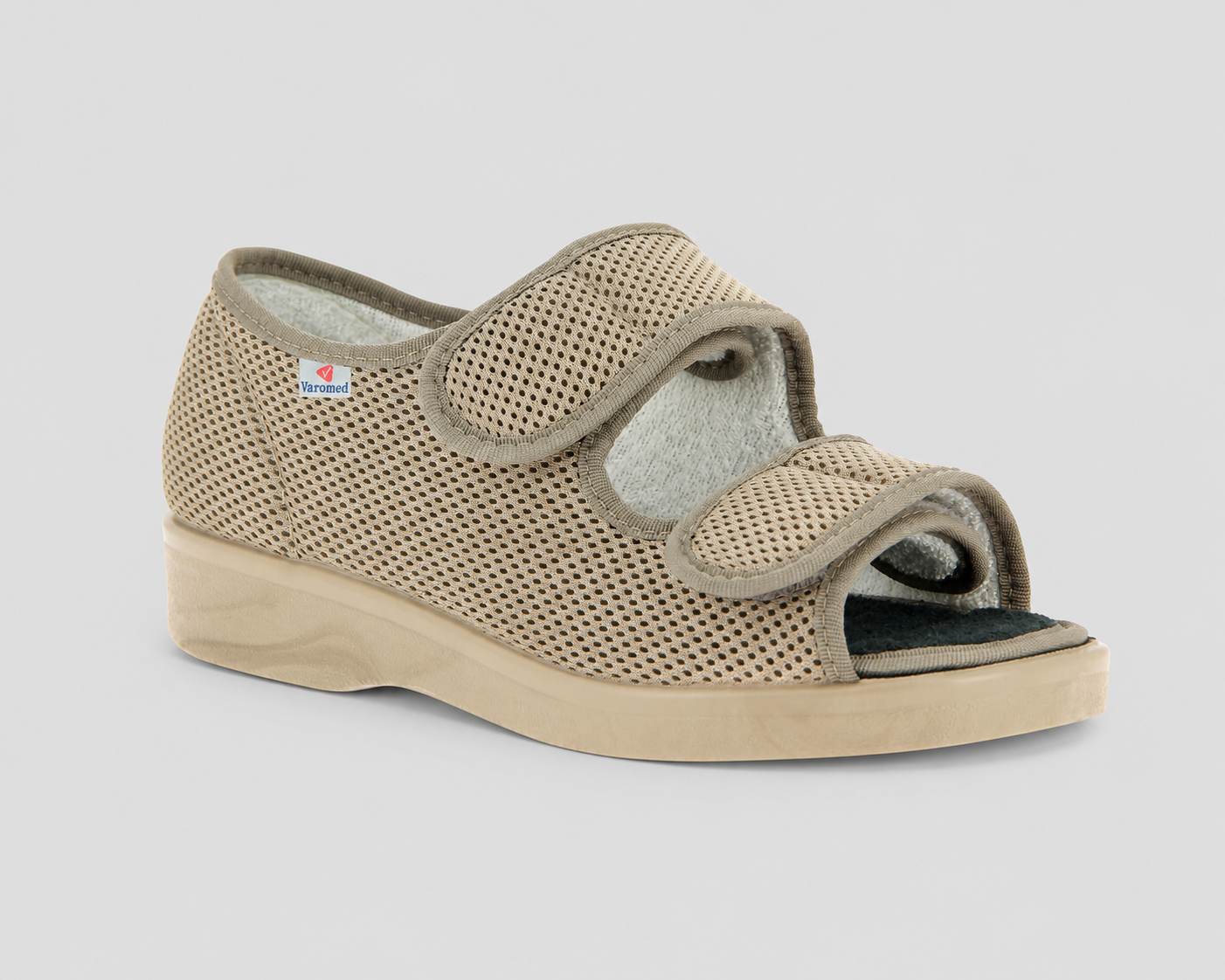
Medical grade footwear can assist in managing a wide range of foot and lower limb conditions by improving support, alignment and pressure distribution.
Common conditions include:
- Plantar fasciitis and chronic foot pain
- Diabetic foot complications
- Arthritis and joint degeneration
- Limb alignment issues, including limb length discrepancy
- Post-surgical recovery
In some cases, medical grade footwear can also assist in managing limb length discrepancies by improving balance and reducing uneven loading through the lower limbs.
What makes footwear “medical grade”
In Australia, footwear is considered medical grade when it is designed or modified based on clinical assessment and biomechanical principles. These shoes are selected with a focus on function, support and long-term outcomes rather than general comfort alone.
Key features typically include:
- Structured support to promote proper foot alignment
- Pressure redistribution to reduce strain on sensitive areas
- Accommodation for orthotics where required
- Durable, high-quality materials designed for long-term wear
This clinically guided approach ensures footwear is matched to individual needs rather than general sizing or style preferences.
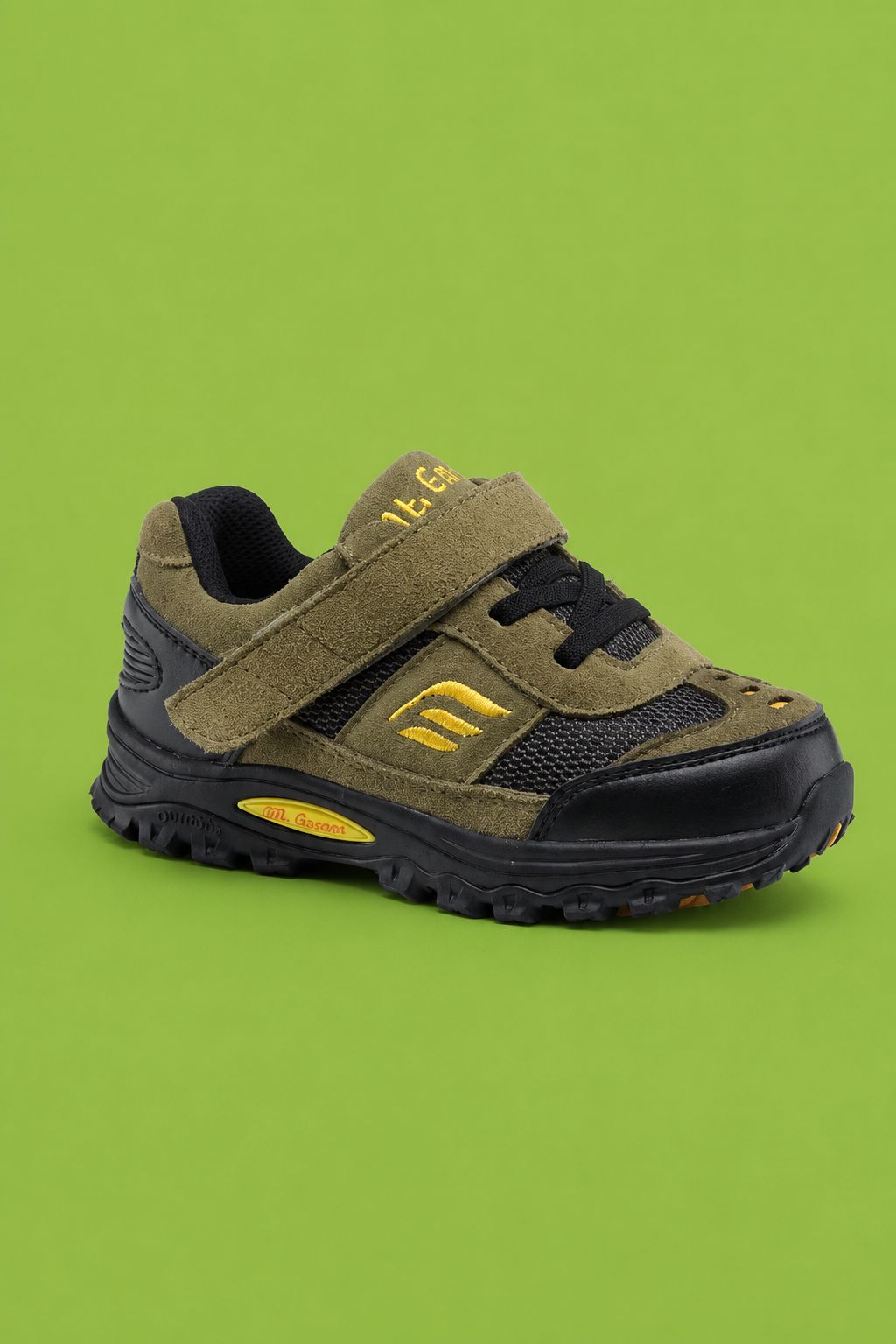
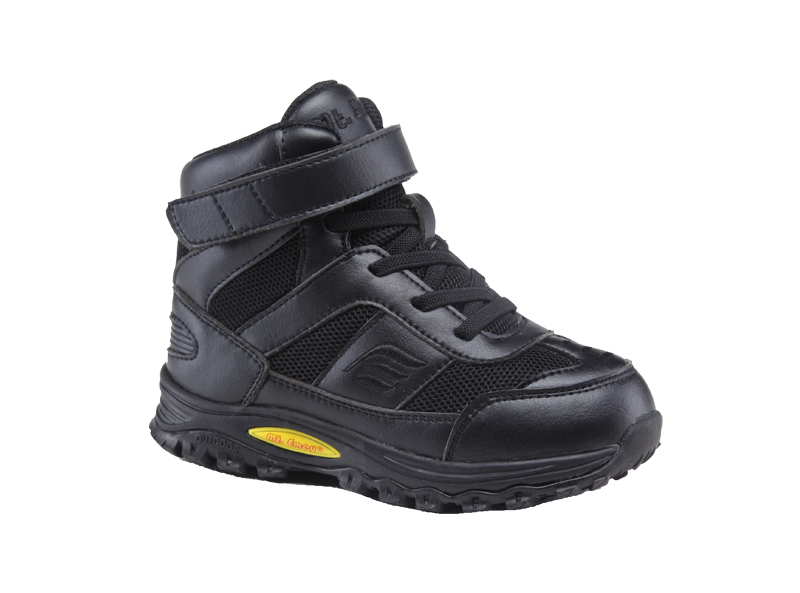
The fitting process
The process begins with a comprehensive foot assessment to ensure your footwear is accurately tailored to your needs. This includes evaluating your foot structure, walking pattern and any existing conditions.
The assessment may involve:
- Biomechanical evaluation
- Pressure analysis
- 3D scanning of your feet
Based on these findings, medical-grade orthopaedic footwear is designed to provide the ideal balance of comfort, support and functionality.
Choosing the right medical-grade footwear
Selecting appropriate footwear involves a comprehensive assessment of your feet, walking pattern and medical history. This ensures the final recommendation supports both your condition and lifestyle.
Factors considered include:
- Foot shape and structure
- Type and severity of the condition
- Activity level and daily demands
- The need for orthotics or footwear modifications
One of our pedorthists or other clinicians can guide you toward the most suitable therapeutic footwear to support safe and comfortable movement.
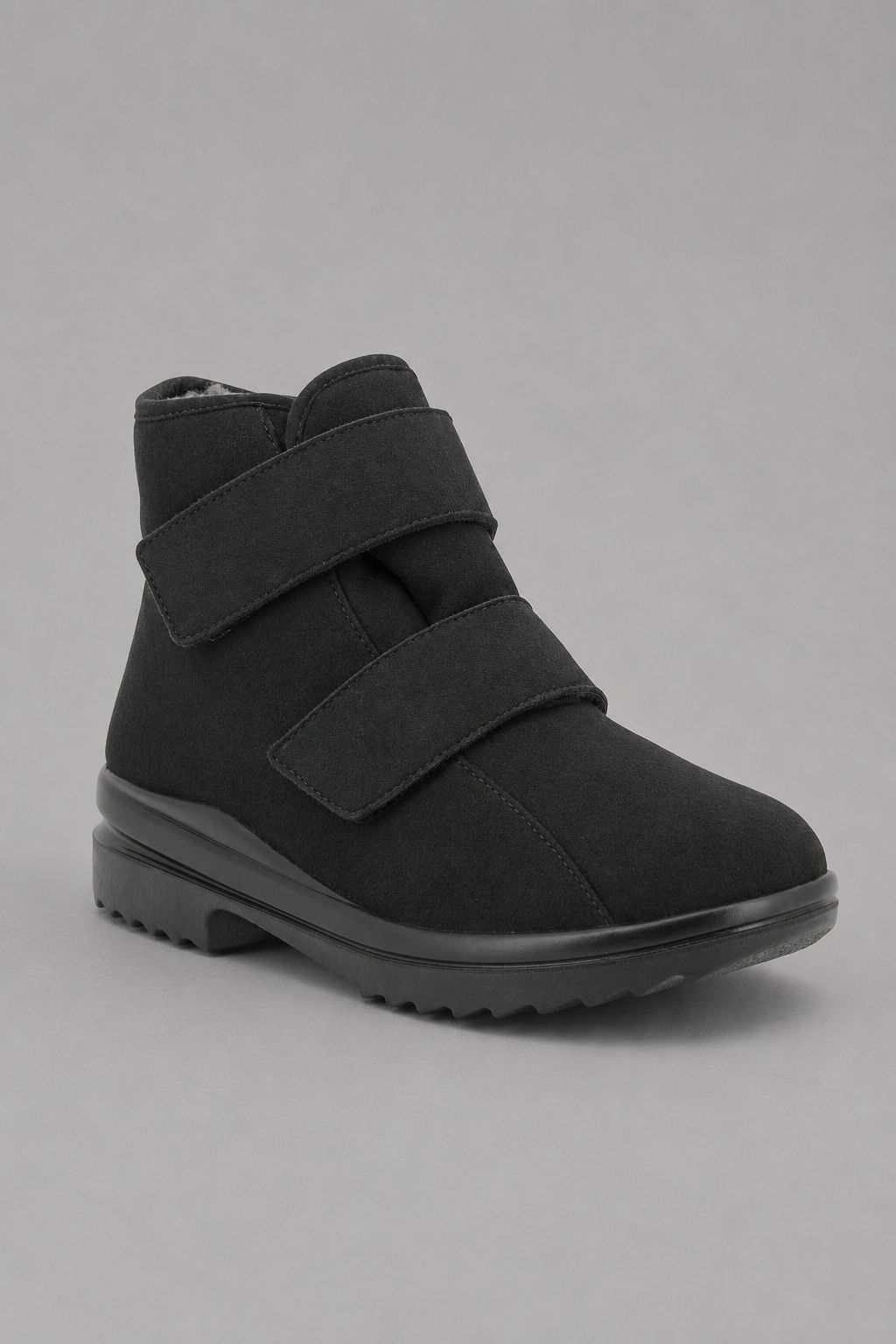
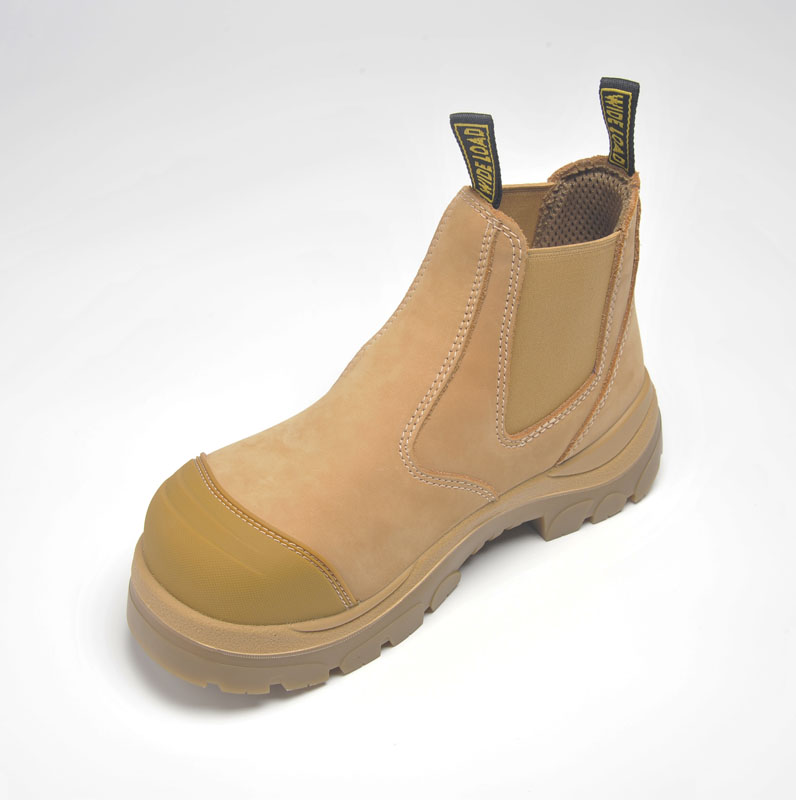
The role of a pedorthist in footwear selection
While general comfort shoes may offer short-term relief, they are not designed to address underlying biomechanical issues. A pedorthic footwear specialist focuses on identifying and treating the root causes of discomfort.
This includes:
- Assessing the underlying cause of foot pain
- Recommending clinically appropriate footwear
- Ensuring correct alignment and pressure distribution
- Integrating footwear with orthotic therapy where needed
This approach provides a more targeted and long-term solution compared to standard retail footwear.
Custom and prefabricated footwear options
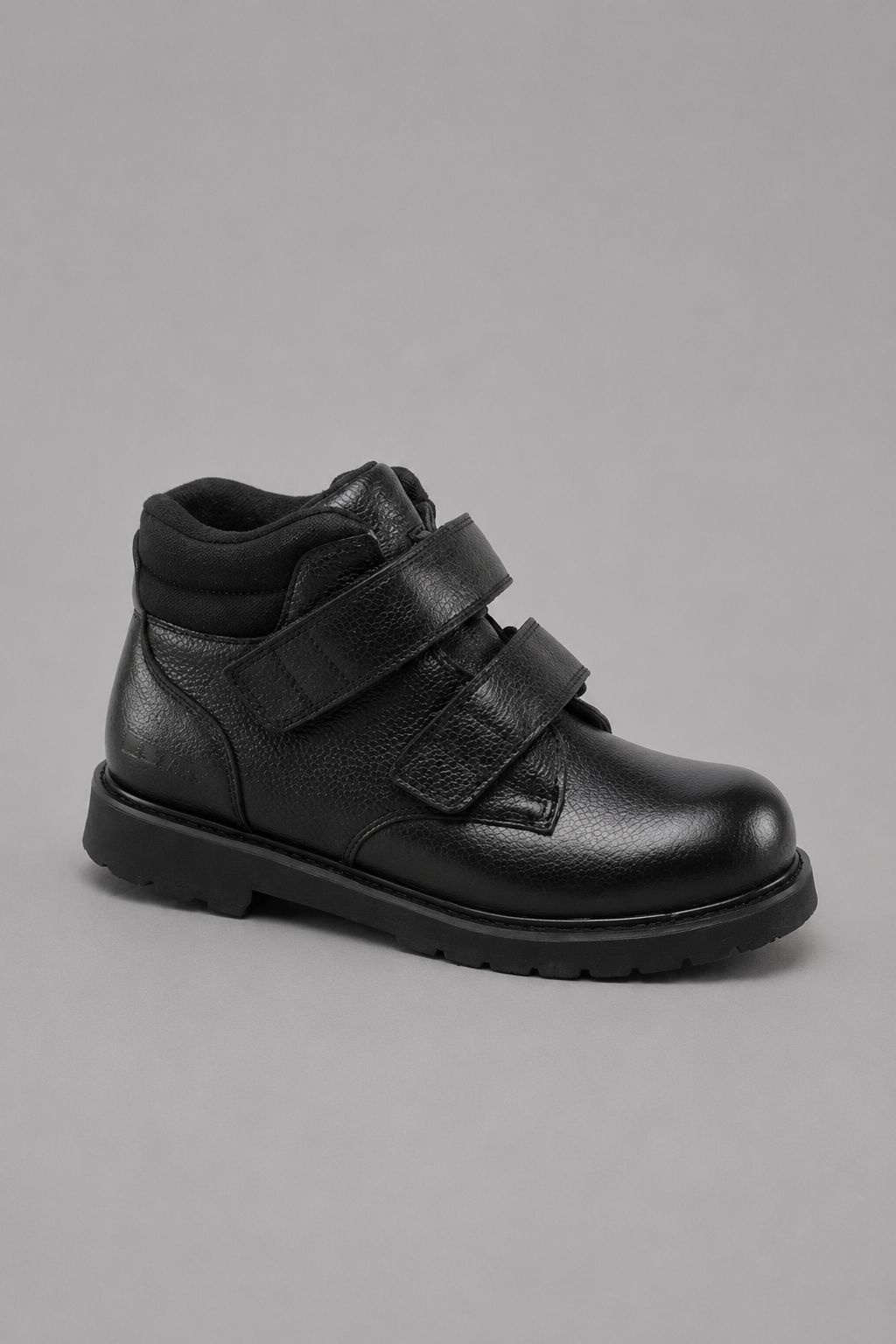
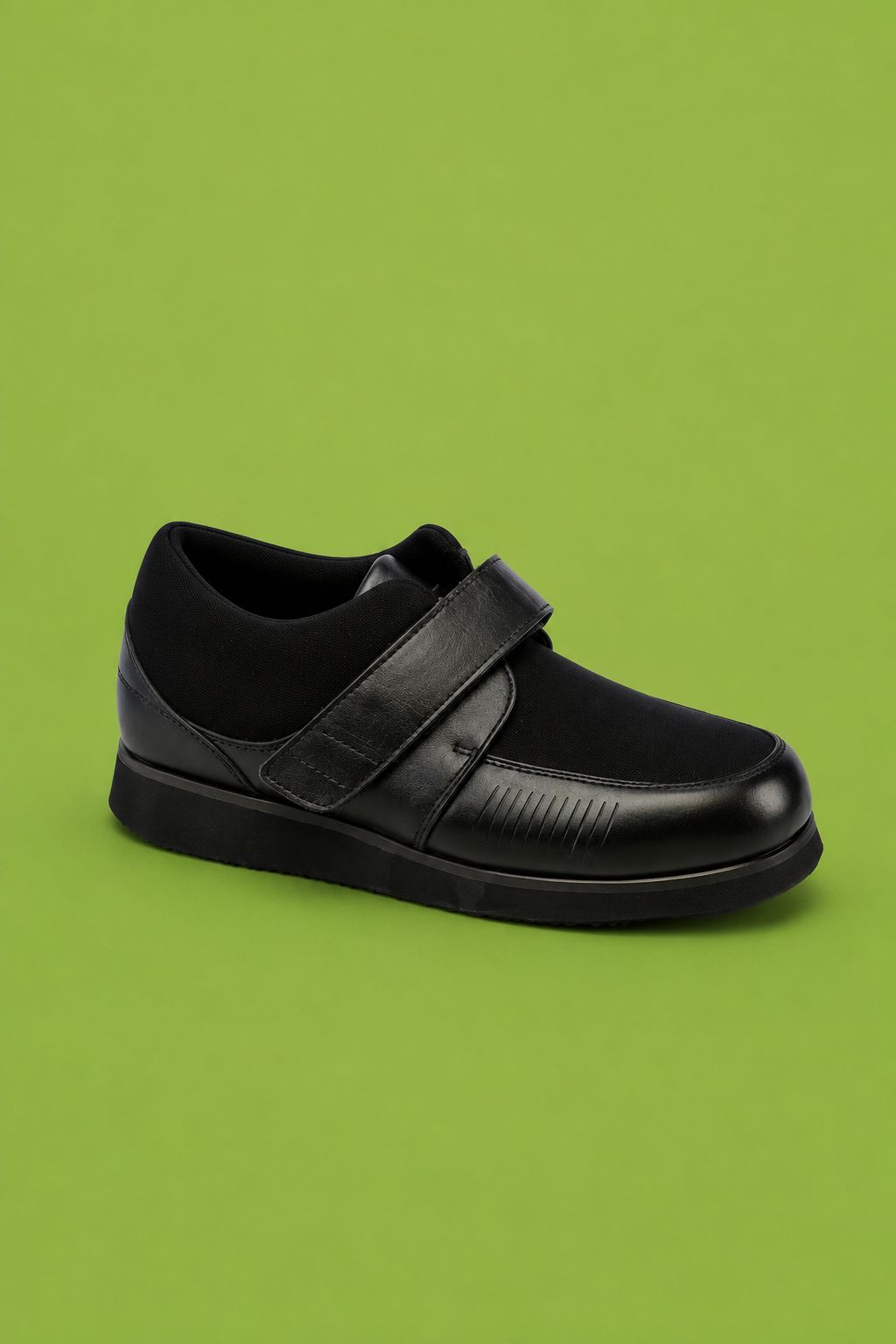
Medical grade footwear can be provided in different forms depending on the complexity of the condition and the level of support required.
- Custom-made footwear is designed specifically for your foot structure, offering a precise fit and maximum support
- Prefabricated footwear may be modified to improve comfort, fit and function
At Foot Balance Technology, each patient is assessed individually to determine the most appropriate solution.
Supporting pain relief and long-term foot health
Medical grade footwear plays an important role in both relieving existing pain and preventing further complications. By improving support and reducing strain, it contributes to better overall foot function.
Benefits may include:
- Reduced pressure on sensitive or painful areas
- Improved walking efficiency and comfort
- Enhanced joint support and long-term stability
- Prevention of worsening deformities or conditions
For many individuals, medical grade footwear becomes an essential part of ongoing foot care and mobility management.
Ongoing adjustments and modifications
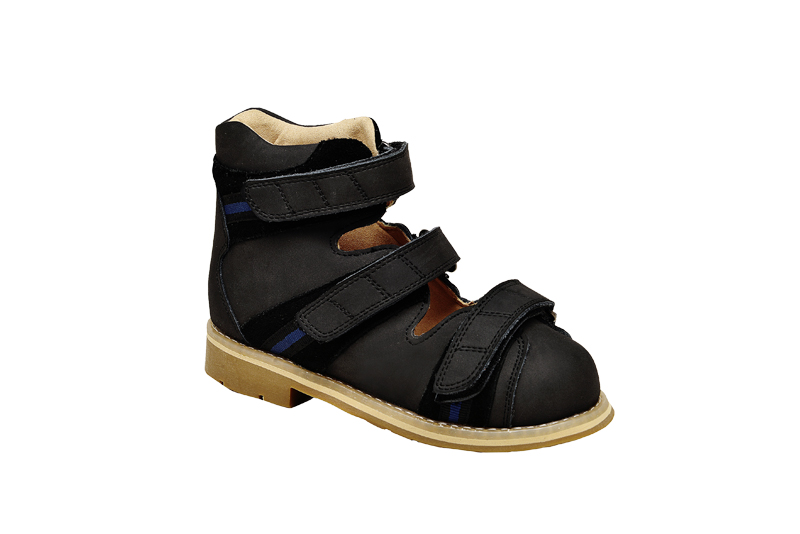
As your condition or foot structure changes over time, medical grade footwear can often be adjusted to maintain comfort and effectiveness. Modifications may be made to accommodate changes in shape, support requirements or activity levels, ensuring continued benefit over the long term.
(Medically reviewed by Dr Sayed Ahmed (PhD, Pedorthics) on 20 April, 2026)
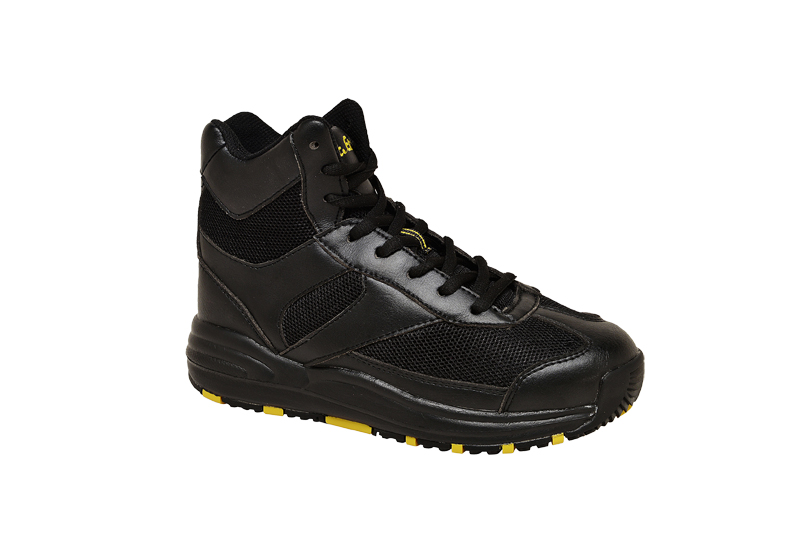
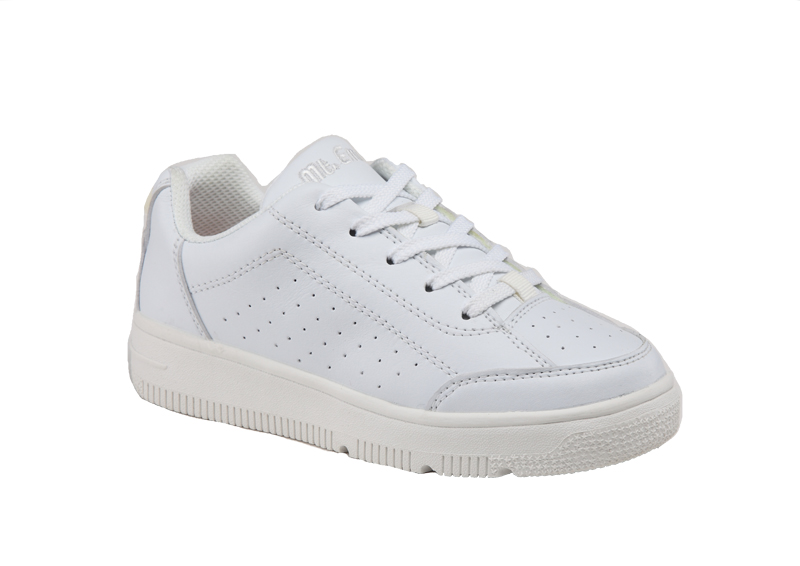
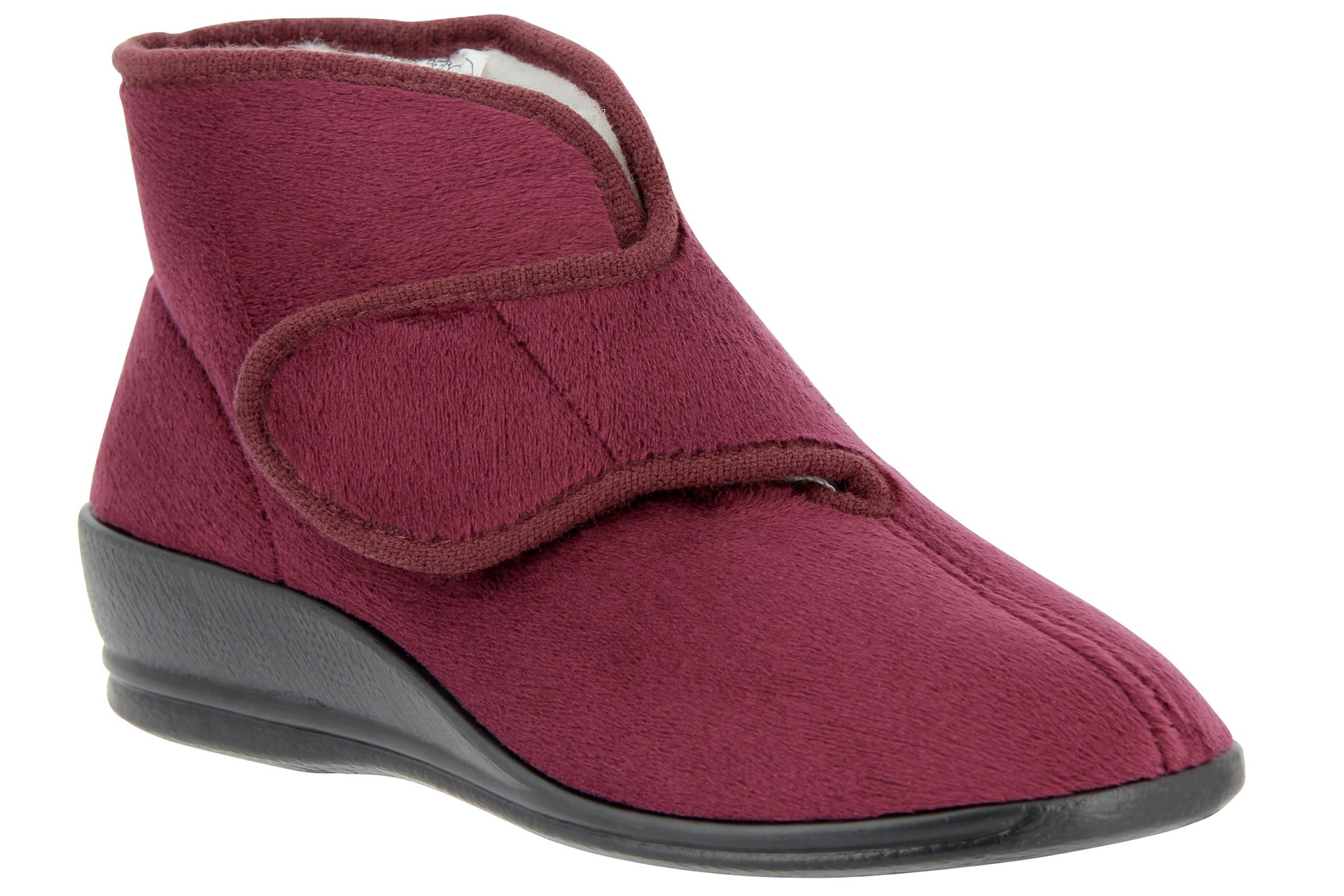
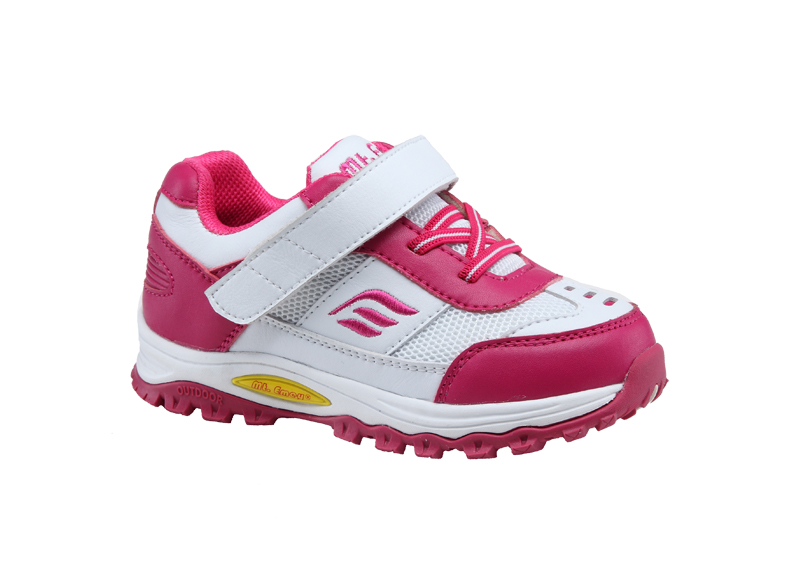
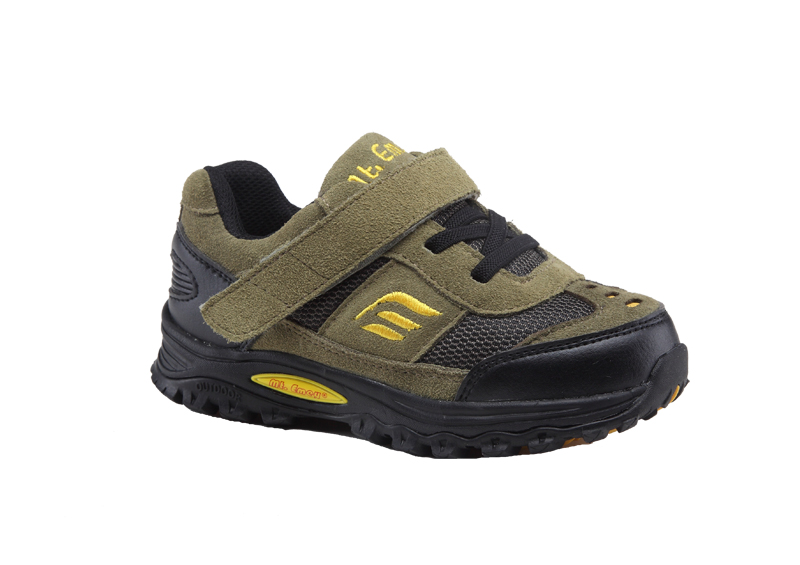
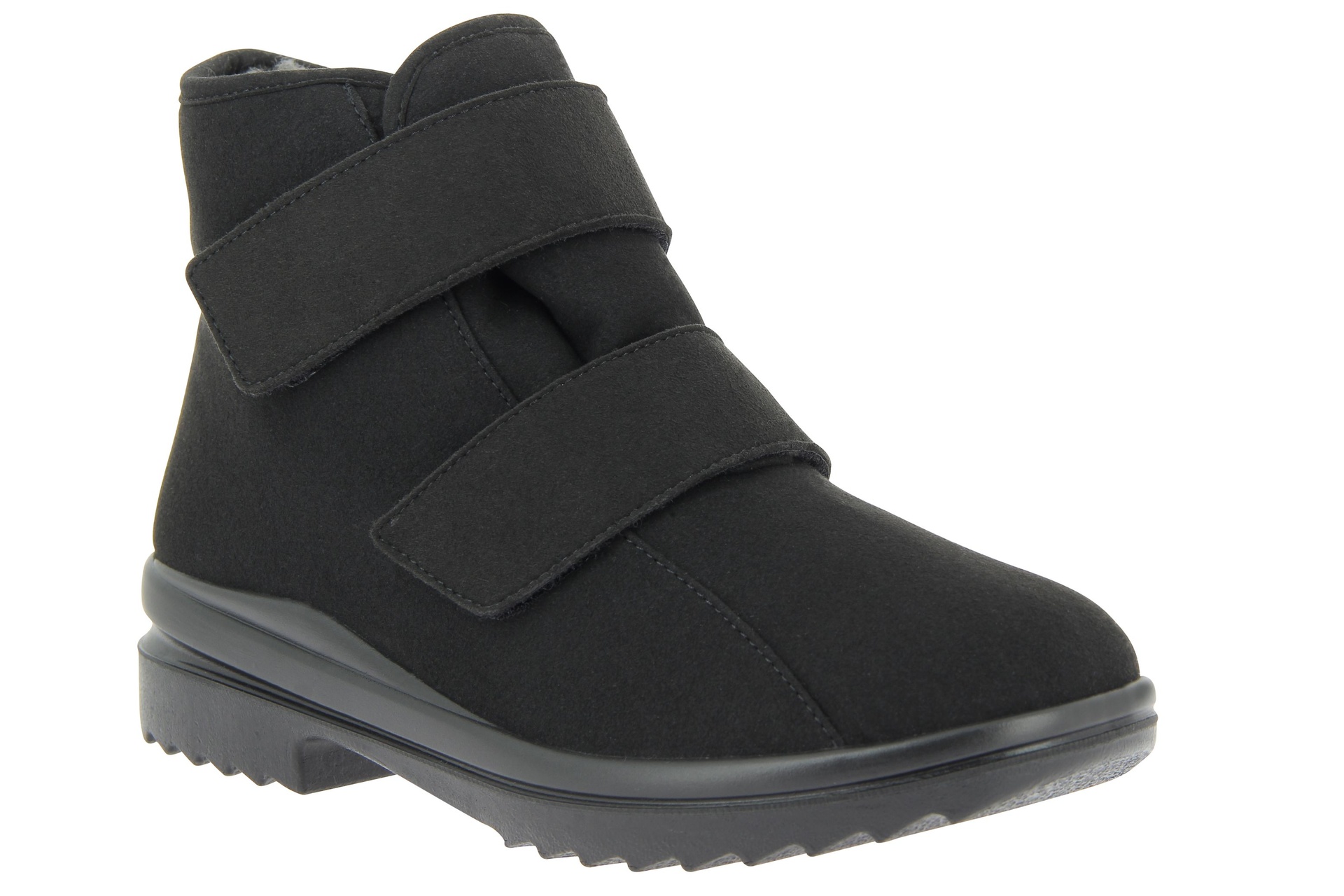
Available Medical Grade Footwear
Frequently asked questions
What is the difference between medical and regular shoes?
Medical grade shoes are designed based on clinical assessment and biomechanical support needs, whereas regular shoes are designed primarily for general use and style.
Do I need a prescription for medical grade footwear?
In some cases, a referral or clinical assessment may be required, especially if funding or insurance support is involved.
What conditions can medical grade footwear help with?
They can assist with conditions such as arthritis, diabetes, plantar fasciitis, flat feet and general mobility issues.
Aren’t medical grade shoes only for elderly people?
Definitely not! While they are commonly used by seniors, they are suitable for anyone with clinically diagnosed foot or mobility issues.
How long does medical grade footwear last?
With proper care, medical grade footwear can last several years, depending on usage and condition changes.
Where can I buy medical grade footwear?
Medical grade footwear should be obtained through qualified providers who conduct proper assessments, such as Foot Balance Technology.
Can medical grade footwear be custom-made?
Yes. Depending on your needs, footwear can be fully custom-made or modified from existing medical-grade designs.
Find Us Easily
Westmead Clinic
To visit our Westmead clinic for an in-person appointment, we are located at Unit 19, 1A Ashley Lane, just 250 metres from Westmead Station, making it easy to access by train or local transport.

Room 19, 1A Ashley Lane Westmead NSW2145

info@footbalancetech.com.au

1300 246 328
Castle Hill Clinic
To visit our Castle Hill clinic for an in-person appointment, we are located at Unit 8, 15 Carrington Rd, just 650 metres from the Hills Showground Metro station, with on-site parking available.
Unit 8, 15 Carrington Rd Castle Hill NSW2154
info@footbalancetech.com
1300 246 328
Campbelltown Clinic
20 King St, Campbelltown NSW 2560 (Open on Thursday only)
info@footbalancetech.com.au
1300 246 328

Our Research Partners


Accepted Health Funds & Government Funding








Scheduling An Appointment
The right footwear plays a critical role in maintaining comfort, stability and long-term foot health. Clinically guided solutions ensure your footwear supports your condition, not just your routine. Book an appointment to find the right support for your feet.
Book Your Consultation